
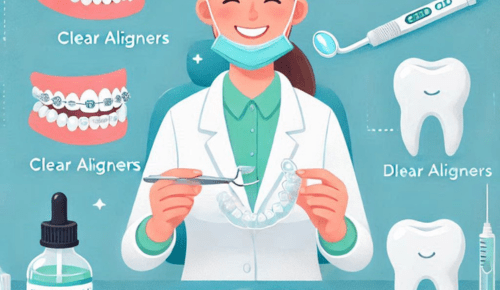
A child’s early experiences at the dentist can shape their attitude towards oral care for years to come. Fostering a positive relationship with the dentist is key to encouraging lifelong healthy dental habits. But as well-meaning as parents often are, certain missteps can unintentionally contribute to a stressful or negative experience for their little ones. By avoiding common mistakes, you can help your child feel more at ease and make appointments at the Dental office in Manassas, VA, a smooth, stress-free experience.
Here are six things you should not do when taking your child to the dentist and why avoiding these pitfalls is so important.
1. Using Negative Language About the Dentist
One of the biggest mistakes parents make is using negative or fear-inducing language when talking about the dentist. Mentioning words like “pain,” “needle,” or even “drill” can heighten anxiety and make your child dread the visit. Phrases such as “It won’t hurt, I promise” can also unintentionally focus their attention on the possibility of pain.
Instead, use positive and neutral language. Try to describe the dentist as a friendly helper who will “count their teeth” or “make their smile extra shiny.” By framing the visit as a fun and helpful experience, you can reduce apprehension and set the tone for a successful appointment.
2. Making Promises You Can’t Keep
While trying to calm your child, it may be tempting to make promises like “this will be quick” or “there won’t be any shots.” But if the reality doesn’t match your assurances, it can break their trust and increase their anxiety for future visits.
A better approach is to prepare your child for the possibility of minor discomfort in an honest yet reassuring way. Focus on the positives, such as how great their teeth will feel afterward, and emphasize that the dentist will always explain what’s happening to them in advance.
3. Bringing Them to Your Stressful Appointments
If you’re nervous about dental visits yourself, avoid scheduling your child’s visit alongside your own. Seeing you stressed or uncomfortable during a procedure can easily transfer that fear onto your child. Kids are highly perceptive and often mirror the emotions of those around them.
It’s best to keep your appointments separate from theirs. On the day of your child’s visit, model calm and positive behavior instead. Show them that there’s nothing to fear by displaying confidence and composure.
4. Ignoring Their Fears or Concerns
Acknowledging your child’s fears is an essential step toward making them feel heard and understood. Ignoring or dismissing their concerns with comments like “there’s nothing to be afraid of” can make them feel invalidated and even more anxious.
Take the time to listen to their worries and offer simple, reassuring explanations. For instance, if they’re scared of unfamiliar tools, you could explain that the dentist will use gentle, special tools to check and clean their teeth. Validation and empathy go a long way in helping kids feel supported.
5. Skipping Pre-Visit Preparation
Walking into a dental office without any idea of what to expect can be overwhelming for a child. Failing to prepare them can lead to confusion, fear, or even acting out during the visit.
Set aside time before the appointment to prepare your child. Read books or watch kid-friendly videos about visiting the dentist. Role-play a pretend dental check-up at home using a toothbrush and a small mirror to familiarize them with the process. These activities can transform an unfamiliar experience into a predictable and less intimidating one.
6. Overreacting to Their Behavior
Kids can sometimes act out or become upset during their first few dental visits, and that’s okay, it’s a normal response to a new and potentially stressful situation. However, reacting with frustration or scolding them can heighten their anxiety and make future visits more challenging.
Instead, stay calm and patient. Let the dental professionals handle the situation, they’re experienced in soothing anxious children. Praise your child for even small moments of cooperation, as positive reinforcement can encourage better behavior over time.
Conclusion
When you avoid these common missteps, you help create a dental experience that is positive, supportive, and even enjoyable for your child. By addressing their fears with empathy and preparing them with care, you’re fostering a mindset that dental visits are a normal and important part of health care.