
Fatigue is a common concern for many individuals who have undergone angioplasty. While the procedure is designed to improve blood flow and reduce chest discomfort, it is natural to wonder why tiredness persists afterward.
Understanding the connection between angioplasty, heart health, and post-procedure fatigue can help you take the right steps toward recovery. This blog explores why fatigue happens, whether it indicates underlying heart issues, and how you can manage your symptoms effectively.
What Is Angioplasty?
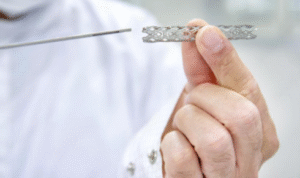
Angioplasty is a minimally invasive cardiac procedure performed to widen narrowed or blocked arteries. During the procedure, a thin tube with a small balloon is inserted into the affected artery. Once in place, the balloon is gently inflated to improve blood flow to the heart. In many cases, a stent is also placed to keep the artery open and ensure long-term circulation.
This procedure can significantly reduce chest pain and improve heart function, but it doesn’t automatically eliminate all symptoms. Since recovery varies from person to person, some individuals may continue to feel tired or weak during the healing phase.
Can Heart Problems Occur Even After Angioplasty?
While angioplasty improves blood flow, it may not eliminate the underlying heart condition. Heart disease is often linked to long-term issues like plaque buildup, lifestyle habits, and genetics. This means that even after a successful angioplasty, fatigue and heart blockage can occur over time if proper care is not taken.
In some cases, fatigue after the procedure may signal that the heart is still not functioning at its best. Conditions such as reduced pumping efficiency, incomplete healing, or new coronary artery narrowing can contribute to ongoing tiredness. Therefore, regular follow-up and lifestyle modifications remain essential.
What Causes Fatigue After Angioplasty?
Fatigue after angioplasty can occur for several reasons, and not all of them indicate a serious problem. Here are the most common factors:
- Recovery From The Procedure
Although angioplasty is less invasive than major heart surgery, the body still needs time to heal. The heart and blood vessels undergo physical stress during the procedure, which can make you feel tired for several days or weeks afterward.
- Reduced Heart Function
Even with improved blood flow, the heart may temporarily function below its usual capacity. When the heart struggles to pump efficiently, your body does not get enough oxygenated blood, resulting in persistent tiredness.
- Emotional Stress
Undergoing a heart-related procedure can be emotionally draining. Anxiety, fear of complications, and concerns about future health can affect sleep quality and energy levels.
- Lifestyle Factors
Poor sleep, inactivity, dehydration, and improper diet can worsen fatigue during recovery. Your body needs strength and nutrients to heal, and neglecting basic habits can slow the process.
- Other Health Conditions
Sometimes, fatigue may be linked to unrelated health issues such as thyroid imbalance, anemia, or infections. A complete evaluation helps identify whether the tiredness is heart-related or due to other causes.
How Can Post-Angioplasty Symptoms Be Managed?
Managing fatigue post-angioplasty recovery involves a combination of medical guidance and consistent lifestyle adjustments. Some helpful strategies include:
- Seek Medical Attention For Persistent Fatigue
If tiredness becomes severe, worsens over time, or is accompanied by symptoms like chest pain, breathlessness, or dizziness, reach out to the angiogram specialist in Coimbatore immediately for medical attention.
- Follow Regular Check-Ups
Your cardiologist will monitor your recovery and ensure that there are no complications or new blockages. Early detection of changes in heart function can prevent serious issues.
- Maintain a Heart-Healthy Lifestyle
Balanced nutrition, adequate hydration, and proper sleep are essential. Including more fruits, vegetables, whole grains, and heart-healthy fats supports better recovery and long-term cardiovascular health.
- Manage Stress
Relaxation techniques such as deep breathing, meditation, and yoga can help control emotional stress, which often contributes to fatigue.
- Gradually Increase Physical Activity
Walking and light workouts improve circulation and energy levels. However, avoid pushing yourself too hard and let your body set the pace.
- Start Cardiac Rehabilitation
A structured rehabilitation program improves endurance, strengthens the heart, and boosts overall stamina. It also helps reduce fatigue through guided exercise routines suited to your condition.
The Bottom Line
Fatigue after angioplasty is common, but it should not be ignored if it persists or worsens. While the procedure improves blood flow, it does not eliminate heart disease, and ongoing care is crucial. By focusing on lifestyle changes, cardiac rehabilitation, regular medical follow-ups, and understanding your body’s signals, you can support your heart’s healing process and regain your energy safely.
If you experience continuous tiredness after angioplasty, visit the best cardiology hospital in Coimbatore to ensure your recovery stays on track and to rule out any underlying heart-related concerns.