
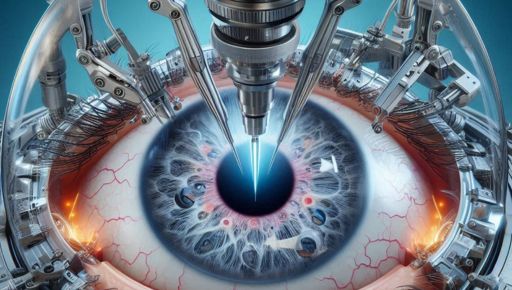
Robotic cataract surgery is revolutionizing the field of vision correction, offering unparalleled precision and accuracy for patients undergoing cataract removal. At our Modesto cataract surgery center, we’re proud to offer this cutting-edge technology, empowering our skilled surgeons to achieve optimal results. By using advanced robotics and artificial intelligence, robotic cataract surgery minimizes human error, optimizes incision placement, and customizes the procedure to each patient’s unique needs.
With its enhanced safe technique, reduced recovery time, and improved visual outcomes, robotic cataract surgery promises to become the new standard in vision correction.
When is Cataract Surgery Indicated?
Cataract surgery is typically indicated in the following situations:
Primary Indications
- Visual Acuity: Significant visual impairment (20/40 or worse) due to cataract formation.
- Symptomatic Cataract: Cataract-related symptoms such as blurry vision, double vision, glare, or halos.
- Daily Life Impact: Cataract affects daily activities, work, or quality of life.
Secondary Indications
- Cataract-Related Complications: Uveitis, glaucoma, or retinal detachment.
- Other Eye Conditions: Co-existing conditions like age-related macular degeneration or diabetic retinopathy.
- Previous Eye Surgery: Complications from previous eye surgery.
Specific Patient Groups
- Age-Related Cataract: Typically affects individuals over 60.
- Congenital Cataract: Present at birth or develops during childhood.
- Traumatic Cataract: Resulting from eye injury.
- Secondary Cataract: Develops after other eye surgeries.
Surgical Considerations
- Cataract Maturity: Surgery is performed when the cataract is ripe.
- Lens Density: Surgery indicated for dense cataracts.
- Patient Health: Overall health and medical conditions assessed.
What is Robotic Cataract Surgery?
Robotic cataract surgery is a cutting-edge, minimally invasive procedure that utilizes advanced robotic systems to assist surgeons in removing cataracts and restoring vision. This innovative technology combines high-definition imaging, computer-guided navigation, and precise robotic arms to optimize the surgical process. Robotic cataract surgery offers improved precision, reduced complications, and faster recovery times compared to traditional cataract surgery methods.
What Are The Benefits of Robotic Cataract Surgery?
The benefits of robotic cataract surgery include:
Improved Accuracy
- Precise incisions and lens placement
- Reduced risk of human error
Enhanced Safety
- Real-time imaging and navigation
- Minimized complications
Faster Recovery
- Minimally invasive procedure
- Reduced discomfort and healing time
Customized Treatment
- Advanced imaging and software
- Personalized surgical plans
Improved Visual Outcomes
- Optimized lens implantation
- Enhanced visual clarity and sharpness
Reduced Risk of Complications
- Automated systems minimize manual errors
- Real-time monitoring and adjustments
Increased Efficiency
- Streamlined surgical process
- Reduced operation time
Better Patient Experience
- Reduced anxiety and discomfort
- Faster return to daily activities
Advanced Technology
- Integration of AI and machine learning
- Continuous improvements in precision and accuracy
| According to the American Academy of Ophthalmology (AAO), robotic cataract surgery offers: 90% success rate for 20/40 vision or better70% success rate for 20/25 vision or better |
How Does Robotic Cataract Surgery Work?
Robotic cataract surgery utilizes advanced technology to assist surgeons in removing cataracts and restoring vision. Here’s a step-by-step explanation:
Pre-Operative Steps
- Diagnostic imaging: Advanced imaging technologies (e.g., OCT, ultrasound) create detailed maps of the eye.
- Surgical planning: Surgeon uses software to plan the procedure, including lens selection and placement.
- Patient preparation: Anesthesia and eye stabilization.
Surgical Procedure
- Robotic arm positioning: The robotic system aligns with the patient’s eye.
- Incision creation: The robotic arm makes precise incisions in the cornea.
- Cataract removal: The robotic system assists in breaking up and removing the cataract.
- Lens implantation: The robotic arm places the intraocular lens (IOL).
- Real-time imaging: Continuous imaging ensures accurate placement.
Post-Operative Care
- Recovery room monitoring for at least 2 hours
- Medication and eye drops to manage pain and prevent infection
- Follow-up appointments to evaluate the results
Conclusion
Robotic cataract surgery represents a significant leap forward in vision correction. While limitations exist, the benefits of improved accuracy, safety, and efficiency make it an attractive option for patients and surgeons alike. As technology continues to evolve, we can expect even more advanced robotic systems, expanding the possibilities for vision correction.